

Plant of the Week

Philodendron Squamiferum
2/9/2026
Hairy Stems - Climber - Beginner Plant Parents - Not pet friendly
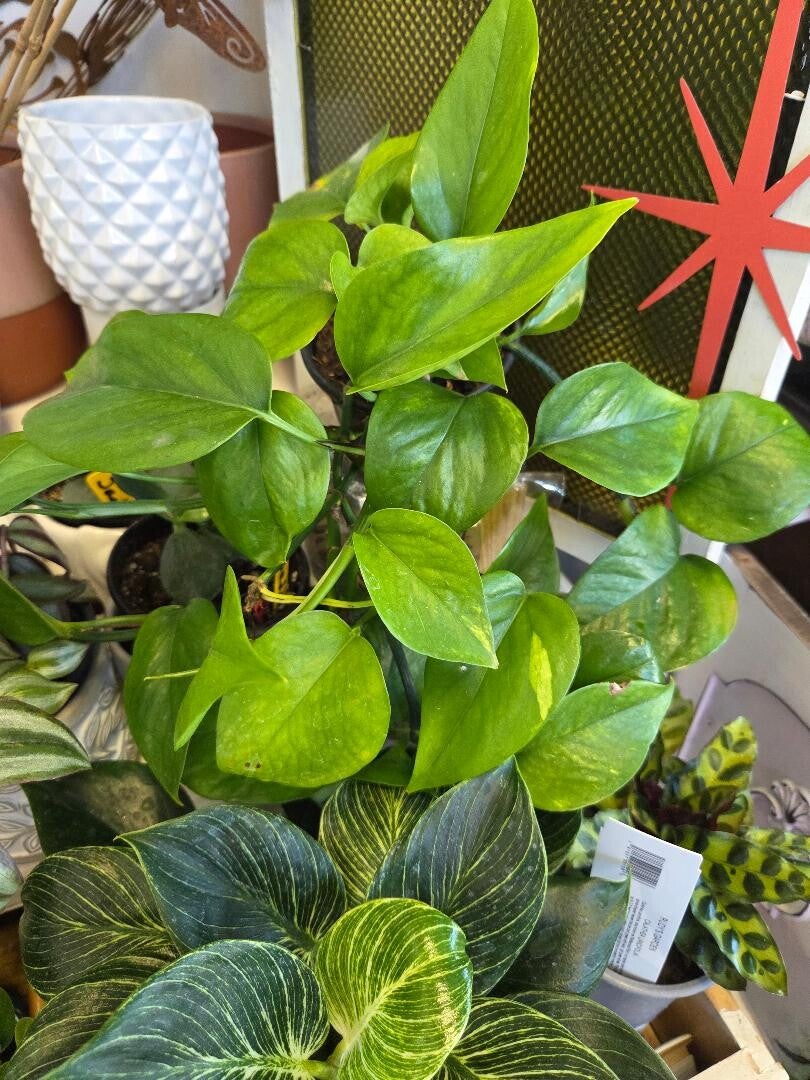
Pothos - Golden -
Epipremnum aureum
1/19/2026
Trailing or Table Top - Easy to Grow - Not Pet Friendly
Several varieties in stock - $12 to $20
Marble Queen, Neon, Glacier, Pearl n Jade, Hawaiian, Green Globe, Happy Leaf
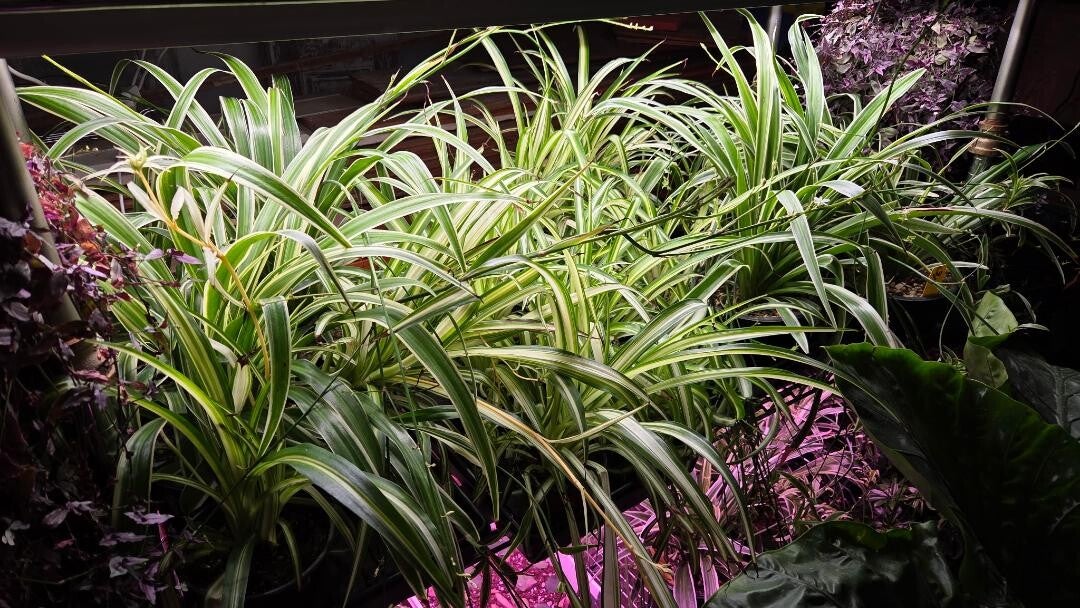
Spider Plant - Chlorophytum comosum - 1/12/2026
Hanging Basket - Easy to Grow - Pet Friendly - Low light tolerance
3 Varieties in stock - $12 to $16

Philodendron - Pink Princess - 1/5/2026
Climbing - Dramatic Color - Lighting Critical
(Philodendron erubescens 'Pink Princess') is a popular, climbing houseplant famous for its dark green leaves splashed with vibrant, bubblegum pink variegation, requiring bright, indirect light to maintain color without scorching, well-draining soil, and careful watering to prevent root rot. Its care focuses on providing sufficient light for good color, avoiding overwatering, and often using a moss pole (or stake) for support to encourage larger leaves, making it a sought-after collector's plant.
Care Requirements:
Light: Bright, indirect light is crucial; direct sun burns the pink parts, while low light causes green reversion.
Watering: Water when the top 1-2 inches of soil are dry, allowing excess water to drain; avoid soggy soil to prevent root rot.
Soil: Use a well-draining, peat-based mix with perlite or bark for aeration. (Chunky Mix)
Humidity: Prefers average to above-average humidity.
Support: A moss pole or trellis helps it climb and grow larger, more mature leaves.
What Makes It Special:
Why it's Popular:
Variegation: The unique pink splotches are highly desirable, though their intensity can vary. The amount of light impacts the color of the pink and underlying pink tone. The red to maroon stems.
Growth Habit: An upright vining plant, it can grow quite large indoors, with heart-shaped leaves.
Pink Princess 6" plants are instock and sell for $25,00
Common Problems and Solutions
Overwatering: Causes yellowing leaves, mushy stems, brown spots, and root rot (foul smell, black roots).
Underwatering: Leads to crispy leaf edges, wilted leaves, and sometimes washed-out new growth.
Too Little Light: Results in the loss of pink/white variegation, turning solid green, and leggy growth.
Too Much Direct Light: Can cause brown, scorched-looking spots on leaves.
Low Humidity: Causes brown leaf tips, crispy edges, and makes new leaves get stuck and rip as they unfurl.
Poor Airflow (with high humidity): Can lead to bacterial spots.
Common Pests: Spider mites, mealybugs, aphids, and thrips love these plants.
Signs: Sticky residue, speckled leaves, webbing, or distorted new growth (thrips).
Cold Damage: Brown, wilted tissue from temperatures below 55F (12.7C) or drafts from vents/doors.
Too Much Fertilizer: Causes brown leaf tips (salt buildup).
Water: Only water when the top inch or two of soil is dry; ensure good drainage. (Finger Test)
Light: Bright, indirect light to maintain variegation.
Humidity: Use a humidifier, pebble tray, or group plants; avoid misting.
Pests: Treat with neem oil or insecticidal soap.
Temperature: Keep away from cold drafts or extreme heat.

Tradescantia - Purple Bridal Veil - 12/29/2025
Trailing - Flowering - Easy to Grow
- Foliage: Deep green, oval leaves with striking purple stems.
- Flowers: Small, three-petaled, often pinkish-white flowers that appear in late spring/summer.
- Growth: Fast-growing vine, trailing up to 24 inches, perfect for hanging.
- Light: Prefers bright, indirect light; avoid harsh, direct sun, which can scorch leaves.
- Water: Keep soil consistently moist but not soggy; water when the top soil begins to dry. Use the finger test on top of soil.
- Soil: Well-draining potting mix.
- Temperature: Ideal indoor range is 60-80°F (15-27°C).
- Humidity: Moderate to high humidity is beneficial.
- Pruning: Occasional pruning helps maintain its shape and encourages bushier growth.
- Low Maintenance: Suitable for all skill levels, even beginners.
- Versatile: Works beautifully in hanging baskets, mixed containers, or on shelves.
- Colorful: Its vibrant purple tones add a pop of color to any indoor space.
Common Problems and Solutions
- Browning leaves or tips: Usually caused by low humidity, underwatering, or direct sunlight scorching the delicate foliage. Exposure to cold drafts or heat vents can also cause browning.
- Yellowing leaves: Often a sign of overwatering or poor drainage leading to early root rot. If the soil is consistently wet and stems feel mushy, the plant may be drowning.
- Fading purple color: A lack of enough light will cause the deep purple and green hues to fade, often making the plant look dull or solid green.
Growth Patterns
- Legginess: If the plant has long, sparse stems with large gaps between leaves, it is "stretching" for more light.
- Balding at the top: It is natural for older Tradescantia varieties to lose leaves near the base of the plant over time. Regular pruning and "pinching back" stems can encourage fuller, bushier growth.
Pests & Diseases
- Root Rot: The most common disease, caused by stagnant water around the roots. Ensure the pot has drainage holes and avoid letting the plant sit in a filled saucer.
- Common Pests: While relatively resistant, it can attract spider mites, aphids, and mealybugs, particularly in dry environments. Fungus gnats may appear if the soil is kept excessively wet.
This plant is in stock and sells for $20.